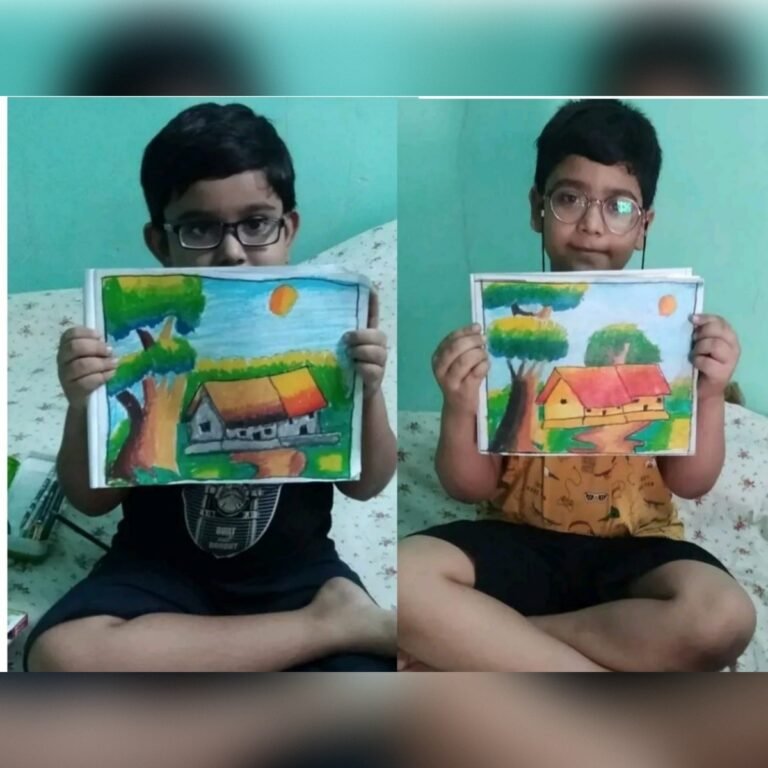
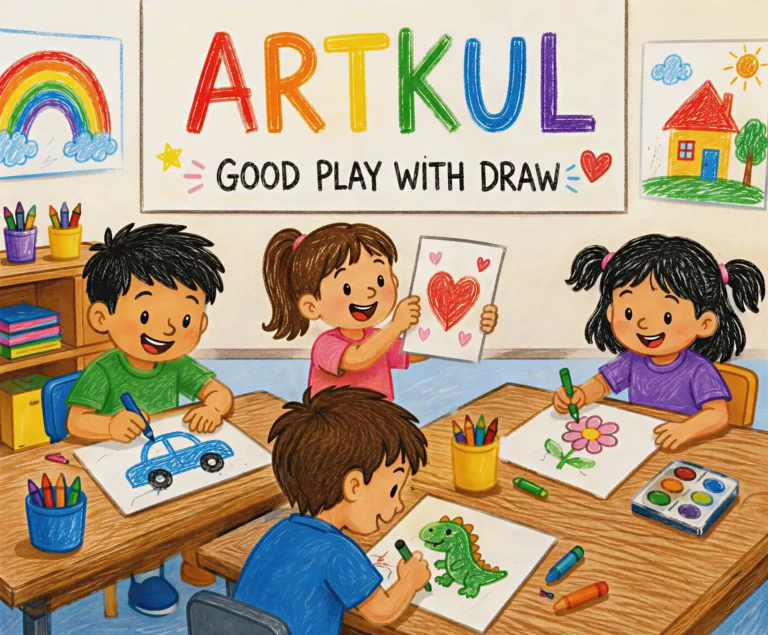
Before Joining vs After Joining Artkul
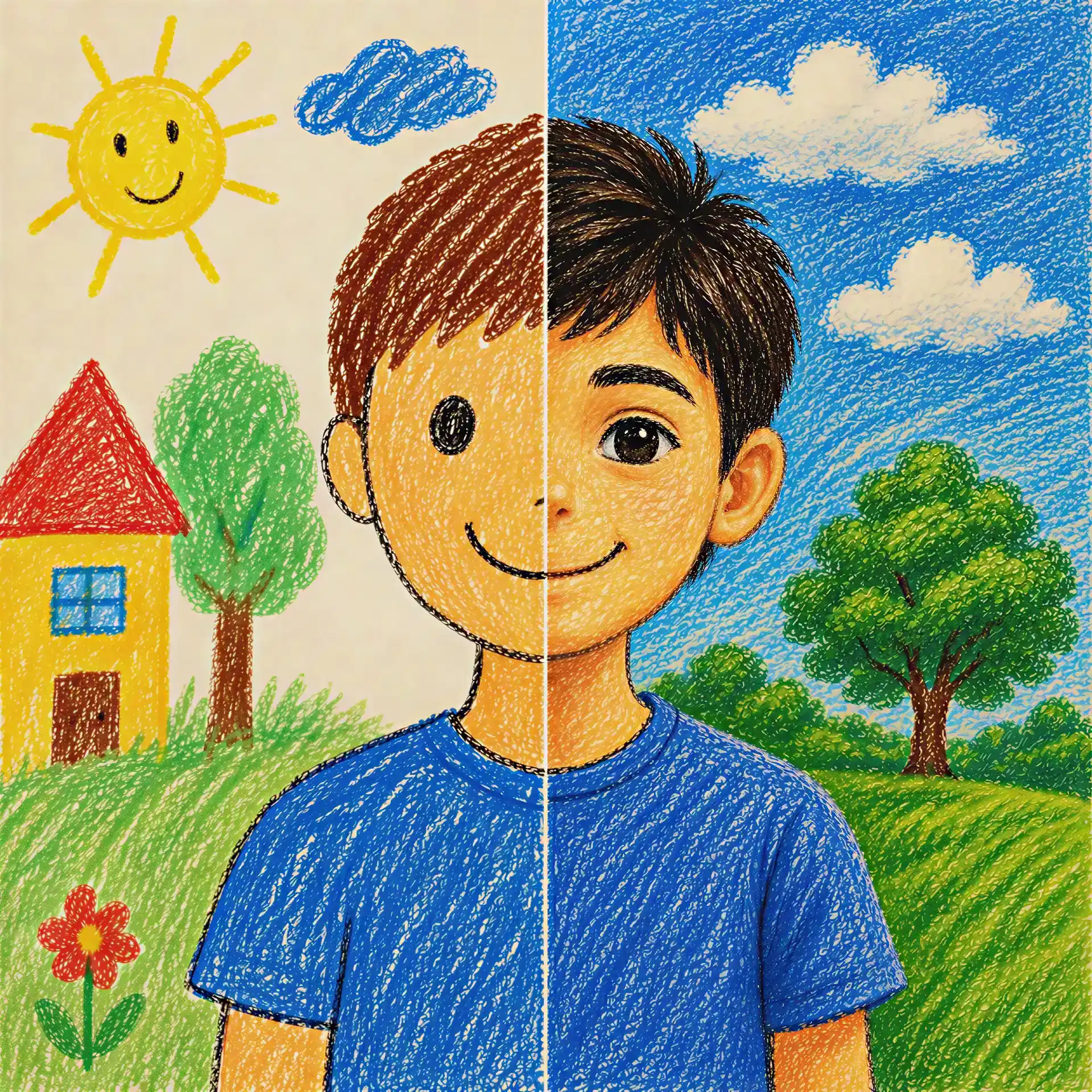
Riya’s “before” drawing is still pinned to the studio wall. A sunflower, copied from a greeting card. Perfectly round center, evenly spaced petals, flat. She made it at twelve, before she found Artkul. She hates it now. Keeps it there to remind herself what copying looks like.
Her “after” hangs beside it. Same subject, two years later. The center is irregular, some petals droop, one is torn. It’s alive. The difference isn’t technique, though technique improved. The difference is she finally saw a sunflower instead of remembering one.
What “Before” Actually Looks Like
Not dramatic. Boring, mostly. The plateau where you draw the same face, the same tree, the same still life, and it improves by millimeters if at all. Self-taught, YouTube-taught, book-taught—all valid, all limited by the fact that no one sees your mistakes in real time.
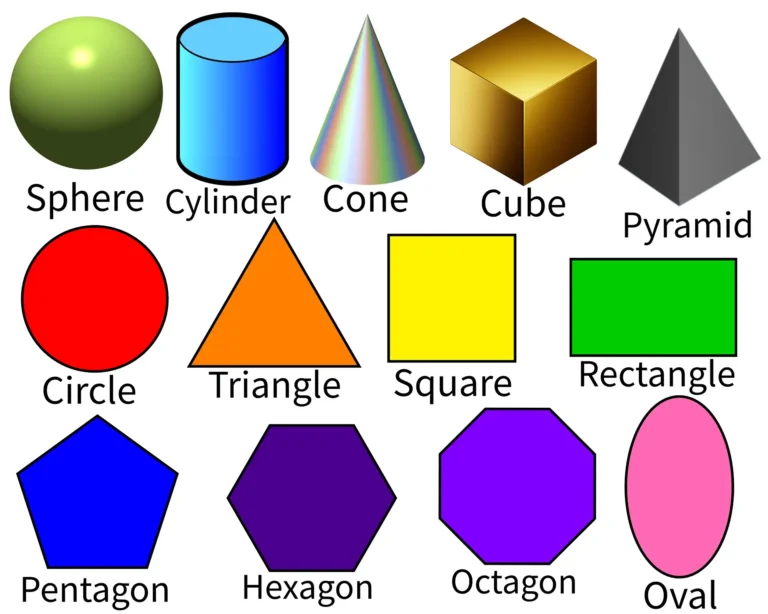
Arjun, seventeen when he arrived, had drawn anime characters for three years. Identical large eyes, spiky hair, no necks. His DeviantArt had followers. His sketchbook had fifty versions of the same person. “I want to draw real people,” he told Ankita. She didn’t let him. Made him draw boxes for a month. Cylinders. Spheres. He almost quit. Week five, she gave him a skull. “Draw what you see, not what you know.” The result was terrible. But the eyes were in the right place for the first time. He stayed.
The isolation is real. You draw alone, post online, receive likes or silence. Likes mean nothing; silence means nothing. No one tells you that your shadows are consistently on the wrong side, that your proportions creep larger as you work, that you’re outlining everything because you’re afraid of value. These habits harden. I have a friend who drew for a decade before someone told him he never varied his line weight. A decade. He was grateful and furious.
What “After” Actually Means
Not transformation. Continuation with correction.
Priya, forty, joined after her divorce. Needed “something.” Chose watercolor because it looked gentle. It is not gentle. It reveals hesitation, overworking, impatience. Her first month produced mud. She brought each failure to class; Ankita laid them out, found the pattern—too much water, too little waiting, layers applied before previous ones dried. Technical, specific, fixable. Priya didn’t become a watercolorist. She became someone who understands drying time. The paintings improved incidentally.
The community aspect is overstated in marketing. It’s not a warm circle of encouragement. It’s four to eight people in a room, working silently, occasionally showing work, receiving blunt feedback. “The shadow is wrong.” “The hand is too small.” “You’re outlining again.” I found it harsh at first. Now I find it luxurious—someone actually looking.
What Actually Changes
Not confidence, immediately. Often the opposite. You become aware of how much you don’t know. The “after” phase includes regular humiliation.
My own first charcoal portrait at Artkul: the nose was a disaster. Not slightly wrong. Monumentally wrong. Ankita didn’t soften it. “You’ve drawn the symbol of a nose, not this nose.” I had to look at the actual model, the actual shadow under the actual bridge, the actual asymmetry. The correction took three sessions. The portrait never became good. But my next nose was present, specific, alive.
For children, the change is different. My daughter drew symbols—sun with straight rays, tree with round top. After six months, she drew our actual tree, the specific way the branches fork, the knot where the crow sits. She didn’t know she was being taught observation. She thought she was just drawing better.
The Specifics That Matter
Not “structured curriculum” as abstract benefit. The actual structure: value scales before portraits. Gesture before detail. Toned paper before white. Each step feels like delay. Each step prevents later disaster.
Not “expert mentorship.” Ankita’s specific habit of walking around with charcoal on her face, unaware. Her refusal to praise work that is merely careful. Her insistence on drawing the same subject three times, minimum, before she’s satisfied you’ve seen it.
Not “community.” The specific fact that a student from Barasat and a student from Dum Dum might never speak, but both know the other’s work through weekly critique. The recognition without friendship.
What Doesn’t Change
The plateau doesn’t disappear. It shifts higher. You struggle with harder problems. The frustration is the same; the stakes feel higher because you’ve invested time.
Motivation still fades. Ankita doesn’t chase students who stop coming. The ones who return do so because they miss the specific quality of attention, not because of marketing or encouragement.
Kids still prefer screens. Art class is Tuesday evening; the tablet is always available. My daughter negotiates. Sometimes she wins the tablet. Sometimes she draws. Neither choice is definitive.
The Real Comparison
Before: You don’t know what you’re doing wrong, or you know something is wrong but can’t name it, or you’ve named it but can’t fix it alone.
After: You know, specifically, and someone tells you, specifically, and you practice the fix, specifically, and it works, specifically, until the next problem.
That’s all. No glow, no transcendence, no “confident skill set” as marketing promises. Just the gradual replacement of vague failure with specific failure, which is the only path to specific success.
Riya’s sunflower is still on the wall. She could paint it better now. She doesn’t. She paints other things, harder things, things that fail in new ways. The wall is a museum of specific moments. The before and after are beside each other, both imperfect, both honest, both hers.
Contact
Artkul Madhymagram, North 24 Parganas +91 62910 04807
Ankita answers. Describe your specific stuckness. She’ll know if it’s fixable here or if you need something else first.
More Canvas & Insights