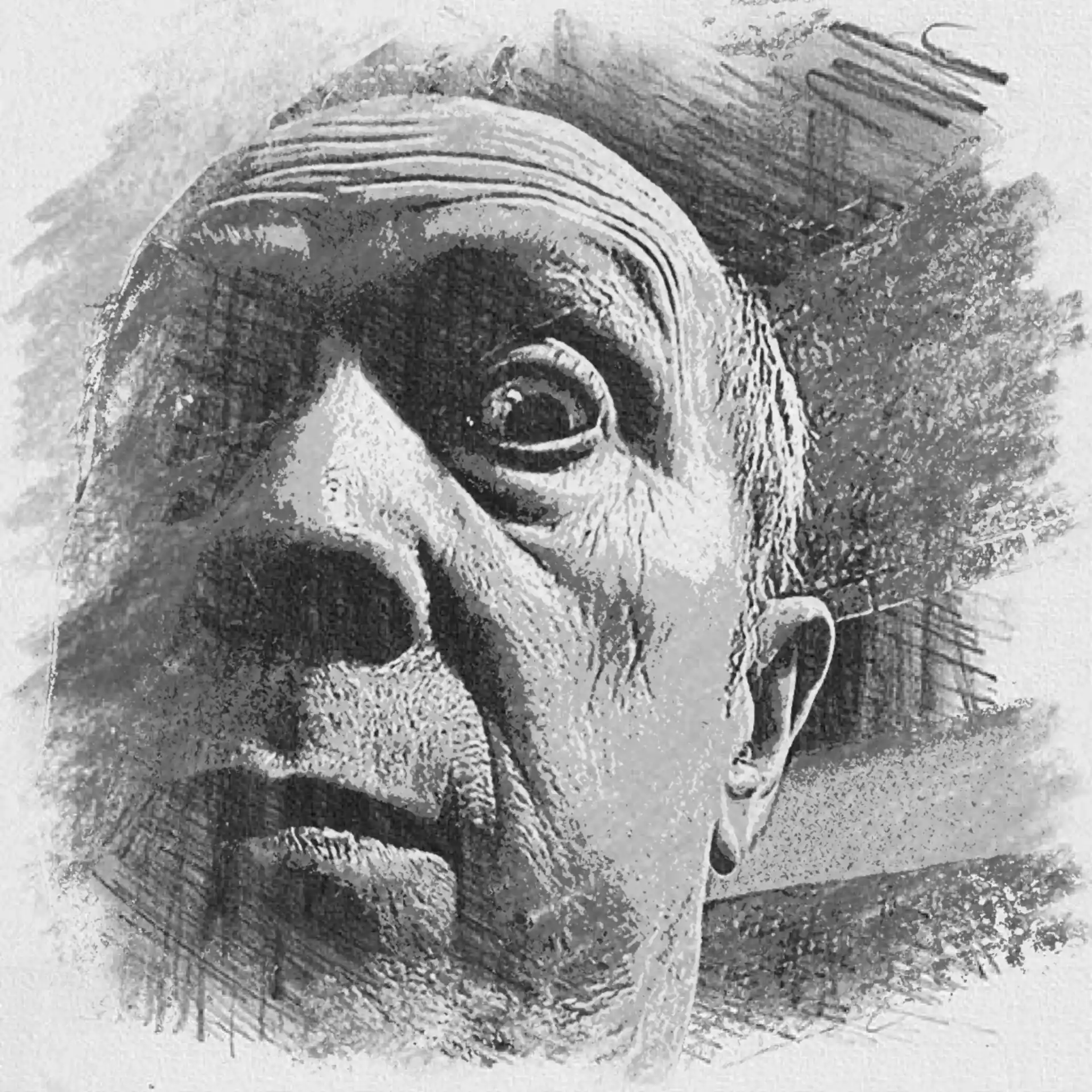
Charcoal is messy. That’s the first thing you need to accept. I watched a new student last week—corporate job, clean fingernails, expensive watch—freak out when his hands turned black. He kept wiping them on his jeans. By the end of the session, he looked like he’d been fixing a car. But he also had the best gradient he’d ever produced. That’s the trade-off.
At ARTKUL drawing school in madhymagram, we don’t fight the mess. We teach you to use it.
What Charcoal Actually Does
Graphite is safe. Controllable. Charcoal is not. It crumbles, smudges when you don’t want it to, and refuses to darken when you need deep blacks. But when it works? You get values that graphite simply cannot reach. That velvety darkness in the hollow of a cheek. The soft fall of light across fabric.
Ankita calls it “the medium of accidents.” You have to let go of perfection. We spend the first session just making marks—scrubbing, lifting, smearing—until students stop being precious about “ruining” the paper.
What Actually Happens in Class
No still lifes of bowls and bananas. We use actual objects with character: dried seed pods, crumpled cloth, a weathered wooden door fragment Ankita found near Madhyamgram station. Things with texture that charcoal actually wants to capture.
The “vine charcoal first, compressed later” rule gets drilled in. Students hate it. Vine charcoal is dusty, light, disappears under your hand. They want to grab the 4B compressed stick and go dark immediately. But vine teaches you to build. To commit lightly before you commit heavily. Priya, who comes from Birati, destroyed three portraits before she accepted this. Her fourth attempt—same reference photo—actually looked like the person. She could see the difference herself.
Erasers as drawing tools, not correction devices. This blows everyone’s mind. We use kneaded erasers to lift highlights, electric erasers for sharp details, even masking fluid sometimes. Rahul, the guy preparing for his NIFT portfolio, spent an entire session just on eye highlights. One tiny lifted spot changes the whole face from flat to alive.
Fixative spray happens outside. Always. We learned that the hard way when someone’s asthma acted up in 2019. Now there’s a specific spot in the corridor for it. Students joke that it smells like “art chemicals” and success.
The Specific Problems We Solve
“Everything turns gray and muddy.” Usually means you’re blending too early, before establishing your darkest darks and lightest lights. We force high-contrast studies—black paper, white charcoal, no middle values allowed. Looks weird. Fixes the habit.
“I can’t get smooth skin tones.” Stop trying. Charcoal skin looks like skin when you embrace the texture, not fight it. We look at Kollwitz drawings, close up. The “roughness” is what makes it breathe.
“My drawings look dirty.” They are dirty. That’s charcoal. But there’s controlled dirty and chaotic dirty. We teach the difference through edge control—hard edges where forms turn, soft edges where they recede.
Who Shows Up Here
Students who’ve hit graphite limits. The ones who want their drawings to pop from across the room.
Like the woman from Hridaypur, retired school teacher, draws portraits of her grandchildren. Her graphite work was accurate but polite. Charcoal gave her the drama she didn’t know she was missing. She cried when she finished her first proper charcoal portrait. Not sad crying—relief. That she’d finally captured what she actually saw in her grandson’s face.
Competition kids. Charcoal gets attention in exhibitions because it reads immediately from a distance. Last year’s state-level winner from our batch did a charcoal piece of hands holding a broken egg. Simple subject. Killer contrast.
Also the occasional professional. Architects who need quick, bold presentation sketches. Fashion designers working with fall of fabric. They don’t need “art,” they need communication. Charcoal delivers fast.
The Practical Mess
We provide vine charcoal, compressed sticks in soft/medium/hard, white charcoal for toned paper. But students always buy extra. There’s a specific shop in Barasat that sells Nitram charcoal—expensive, less dusty, worth it if you’re serious. Ankita keeps a stash for students who want to try before they buy.
Paper matters more than with graphite. Newsprint for practice (cheap, terrible, perfect for destroying without guilt). Canson Mi-Teintes for final pieces. We go through a lot of paper. Students learn to accept failure as part of the process.
Clothes get ruined. We have aprons, but charcoal finds ways. The studio has a sink specifically for hand-washing. It never gets fully clean. That’s how you know it’s a real charcoal studio.
What You Won’t Get
Photorealistic “charcoal painting” tricks using brushes and solvents. That’s a different skill. We focus on direct, hand-to-paper mark making.
Also, no fixed “course duration.” Some people get comfortable in 8 sessions. Others need 20. Ankita tells you when you’re ready to work independently. Sometimes that means telling you to keep coming because you’re close but not there yet.
Is This For You?
If you want clean hands and predictable results, stay with graphite. If you want drawings that hit people in the chest, try charcoal.
The Charcoal Techniques sessions run Tuesday/Thursday evenings and Saturday mornings. Saturday fills with college students. Evening slots have more working professionals. Both mix fine—charcoal doesn’t care about your age.
Call +91 62910 04807. Tell Ankita what you’re currently frustrated with in your drawings. She’ll know if charcoal is the answer or if you need to fix something else first.