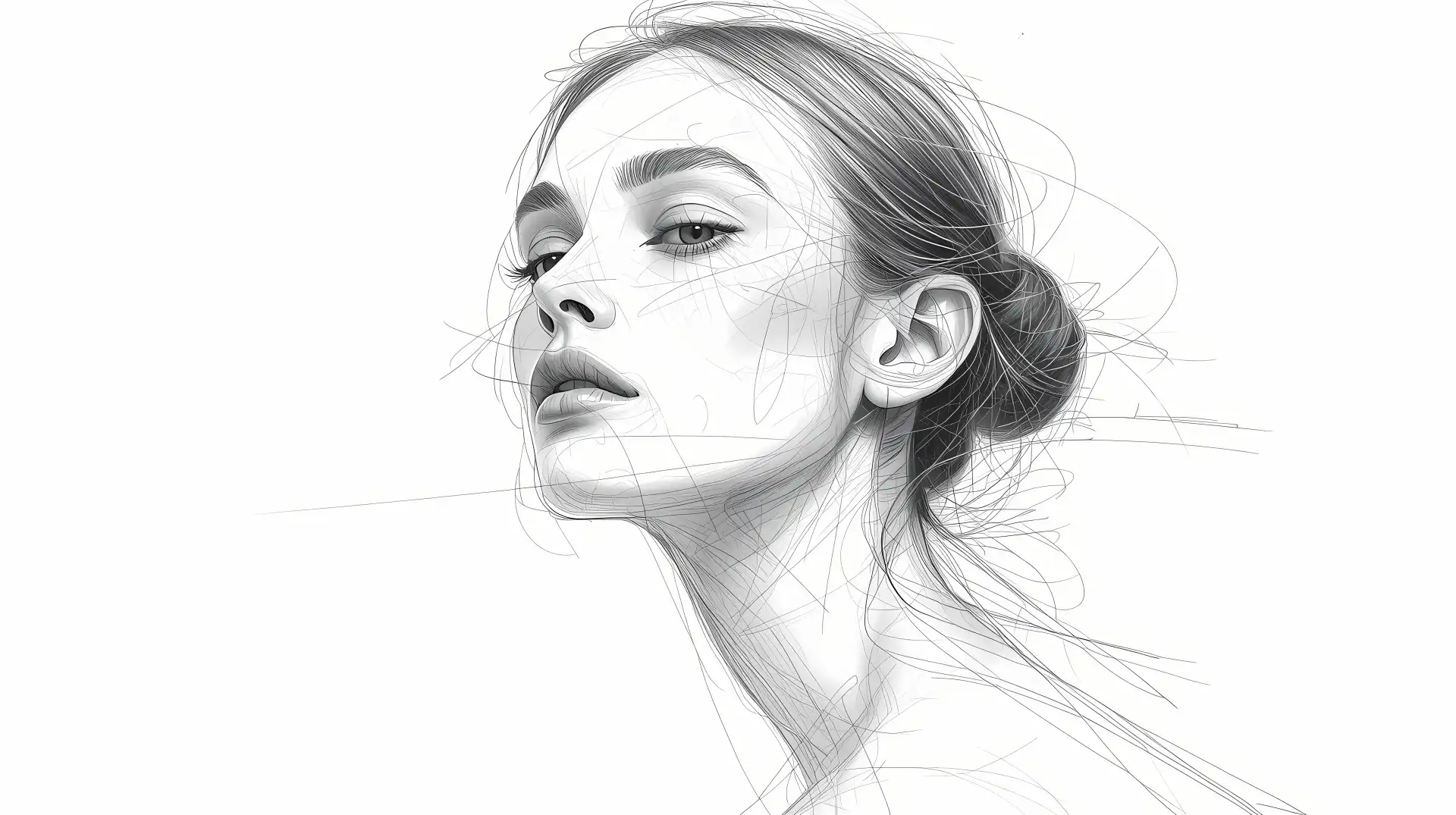
Most people think sketching is just “drawing what you see.” That’s where they get stuck. I see it all the time—students who’ve been sketching for years, but their portraits still look flat. Their buildings tilt weirdly. Their hands look like claws.
At ARTKUL drawing school in madhymagram, we fix that.
What “Advanced” Actually Means Here
It’s not about fancier pencils. We had a kid join last month with a ₹2,000 mechanical pencil set. His lines were shaky. Another student uses a basic HB pencil from the stationery shop near Madhyamgram Chowmatha. Her portrait work is now portfolio-ready.
The difference? She learned to see before she draws.
Advanced sketching here means understanding that a face isn’t an oval with eyes. It’s planes, angles, and how light falls across bone structure. It means knowing why your building drawings feel “off” before you even finish them—usually a perspective point drift you didn’t notice.
What We Actually Do in Class
Ankita starts most sessions with a 10-minute “warm-up disaster.” Everyone draws something from reference—quickly, badly, without overthinking. Then we analyze why it failed. Sounds harsh, but it works. You spot your own habits faster when they’re compressed into one rough sketch.
From there, it depends on the batch. Last Tuesday, we spent 45 minutes on just cross-hatching direction. Sounds obsessive? A student applying to NIFT this year finally got her fabric textures to look like cloth instead of striped shadows. Worth it.
Portraits are where most people struggle. We don’t start with full faces. Week one: eyes only. Week two: noses and how they connect to the brow ridge. By week four, you’re putting together a full face that actually resembles your reference. Rushi, who travels from Barasat for Saturday morning batch, just finished his grandfather’s portrait. His mother cried. First time he’d drawn a face that didn’t look like a cartoon.
Perspective trips up everyone. One-point, two-point, three-point—we cover them, but more importantly, we teach you to check your own work. There’s a specific way to hold your pencil at arm’s length that catches proportion errors instantly. Students hate it at first because it reveals mistakes. Then they love it because it fixes them.
Who Ends Up Here
Not beginners. We have other batches for that. Advanced sketching is for people who already draw regularly but hit a wall.
Like the woman from Sodepur who’d been sketching landscapes for years. Beautiful compositions, zero sense of distance. Her trees in the “background” were the same size as foreground trees. Two sessions on atmospheric perspective—lighter values, less detail, cooler colors—and she finally got depth.
Or the 16-year-old preparing for NID entrance. He could copy images perfectly. Original compositions? Blank page panic. We forced him to thumbnail sketch—tiny, rough, 30-second ideas. He hated it. Now his sketchbook has 200 thumbnails and he doesn’t freeze anymore.
We also get working professionals. One guy from New Barrackpore, IT job, draws at night to decompress. He joined because his sketches “felt childish.” Turned out he was outlining everything and calling it done. Learning to push values darker, to actually use the full range of his pencil, transformed his work. He brought his sketchbook to show progress. Ankita photographed the before/after for the studio wall.
The Batch Reality
Eight people maximum. Currently, Tuesday and Thursday evenings have spots. Saturday morning is waitlisted—too many college students with entrance exams coming.
We don’t follow a rigid “Week 1: Eyes, Week 2: Noses” schedule for everyone. Some batches need more time on anatomy. Others get stuck on texture. Ankita adjusts. Last month, we spent three sessions on hands because everyone was struggling. Hands are hard. No point rushing to “cover the syllabus” if the skill isn’t there.
Materials? We provide basic sketchbooks and pencils for trial classes. Regular students buy their own—usually Staedtler or Faber-Castell from the art supply shop in Dum Dum Market. Ankita recommends specific paper weights for different techniques. Smooth for detailed portraits, textured for expressive work.
What You Won’t Get Here
Quick “wow” techniques that look impressive but don’t build skill. Tracing. “Talent” talk—she emphasizes that everyone in her advanced batch got there through repetition, not innate gift.
Also no certificates just for showing up. If you want a portfolio piece for college applications, you’ll earn it through drafts and revisions.
Is This For You?
If you want to draw hyper-realistic portraits to sell, there are specialized workshops for that. If you want to understand why your drawings feel wrong and how to fix them systematically, come here.
The Advanced Sketching program isn’t about becoming a “master.” It’s about getting past the frustration of knowing you can do better but not knowing how.
Call +91 62910 04807. Ankita answers directly—no receptionist. Tell her what you’re stuck on. She’ll be honest about whether this batch fits or if you need something else first.