How to Improve Drawing Fast: A Step-by-Step Guide for Beginners
I improved fastest when I stopped trying to improve. Sounds like advice from a motivational poster, but it’s the specific truth. I was following guides like this one—shapes, perspective, daily schedule—and producing careful, dead drawings. Then I got frustrated, drew badly on purpose for a week, and something unlocked. The bad drawings had life. The careful ones didn’t.
The paradox is real. Here’s what actually worked, unordered, unguaranteed.
What “Fast” Actually Means
Not weeks. Not dramatic transformation. Specific moments when something clicks: the day you finally see negative space, the session when line weight makes sense, the drawing where the shadow falls correctly without calculation. These moments are spaced irregularly. You can’t schedule them. You can only prepare.
My first click: drawing my own hand upside down. Couldn’t access the symbol—”hand” as stored image—so I had to look at actual shapes. Took forty minutes. The result was wrong in twelve ways. But the thumb was in the right place for the first time. I felt it before I saw it. That feeling is the improvement; the drawing is just evidence.
What I Actually Did
Not daily. Inconsistently, obsessively, with gaps. Three hours one day, nothing for four days, twenty minutes at a bus stop. The schedule that “works” is the one you’ll actually follow, not the one you admire.
I carried a sketchbook but didn’t use it for “practice.” Used it for boredom: waiting rooms, queues, meetings I wasn’t needed in. The drawings were terrible, quick, unplanned. But they accumulated. Looking back, I see the month when my lines became confident, the month when I started noticing shadows, the month when faces stopped being symbols. I didn’t notice at the time.
The Shape Problem
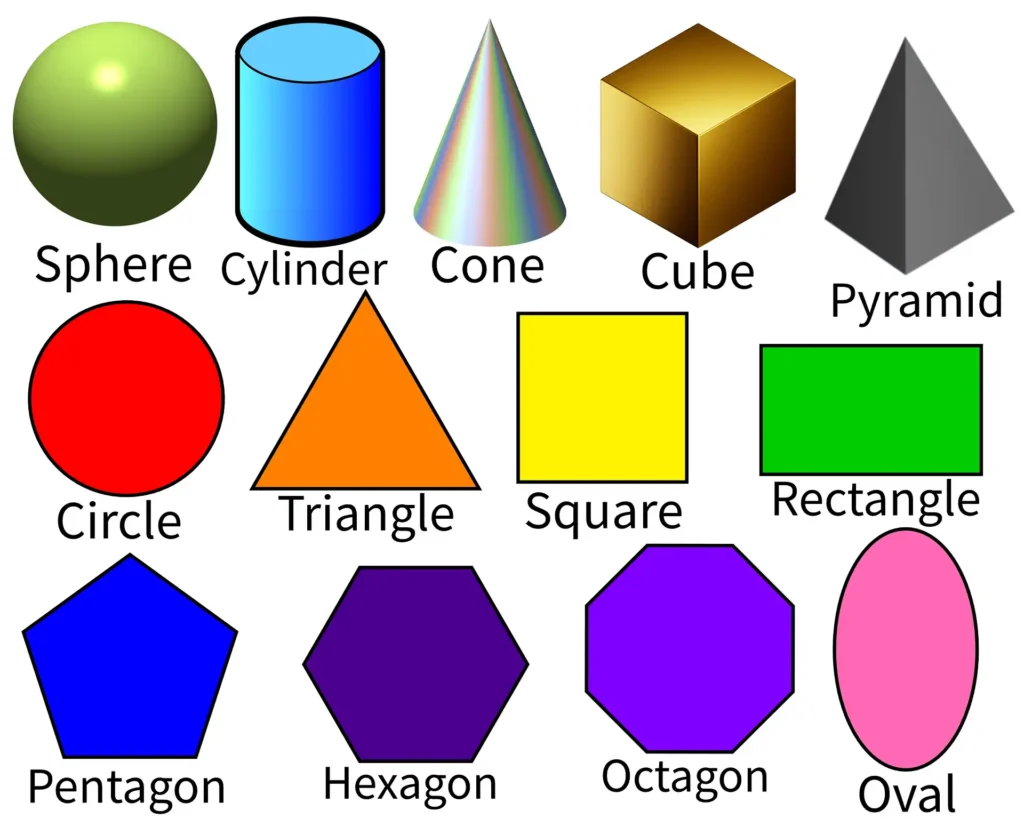
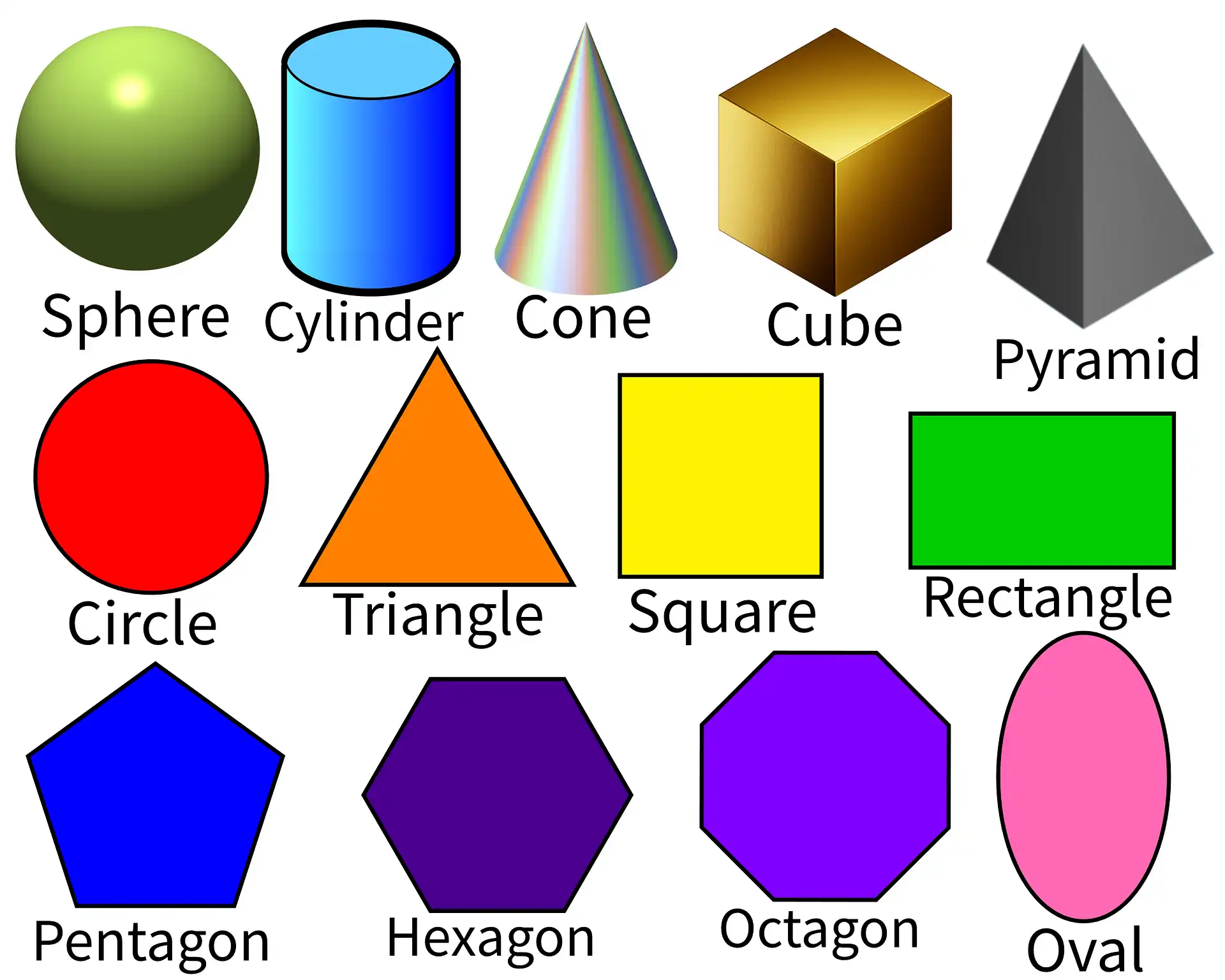
Yes, basic shapes matter. But not as exercise, as observation. I spent a week drawing only cylinders. Coffee cups, bottles, arms, tree trunks. Everything became cylinders or combinations. Then I stopped seeing objects; I saw geometry. The shift was annoying—I couldn’t turn it off. Still can’t. Every face is planes now. Every body is boxes and spheres. The simplification is useful but also reductive. I miss seeing faces as faces sometimes.
Proportion: The Pencil Trick
Hold your arm straight, close one eye, mark the pencil with your thumbnail. Compare. Feels ridiculous in public. I do it anyway. The measuring is mechanical; the judgment is human. “Is this half or slightly less?” The “slightly” is where skill lives. No guide teaches “slightly.” Only repetition.
Line Quality: The Scratch Problem
Tiny lines are fear. I know because I still make them when tired, when the drawing matters, when someone might see. The solution isn’t “aim for clean marks”—it’s draw the same thing five times, badly, without consequence. The fifth attempt, the pressure relaxes. Not because I learned control. Because I stopped caring about the outcome.
Ankita at Artkul has a worse method: draw with your non-dominant hand for five minutes. The lines are terrible, uncontrolled, impossible to detail. Forces big shapes. Cruel. Effective.
Light and Shadow: The Lamp Exercise
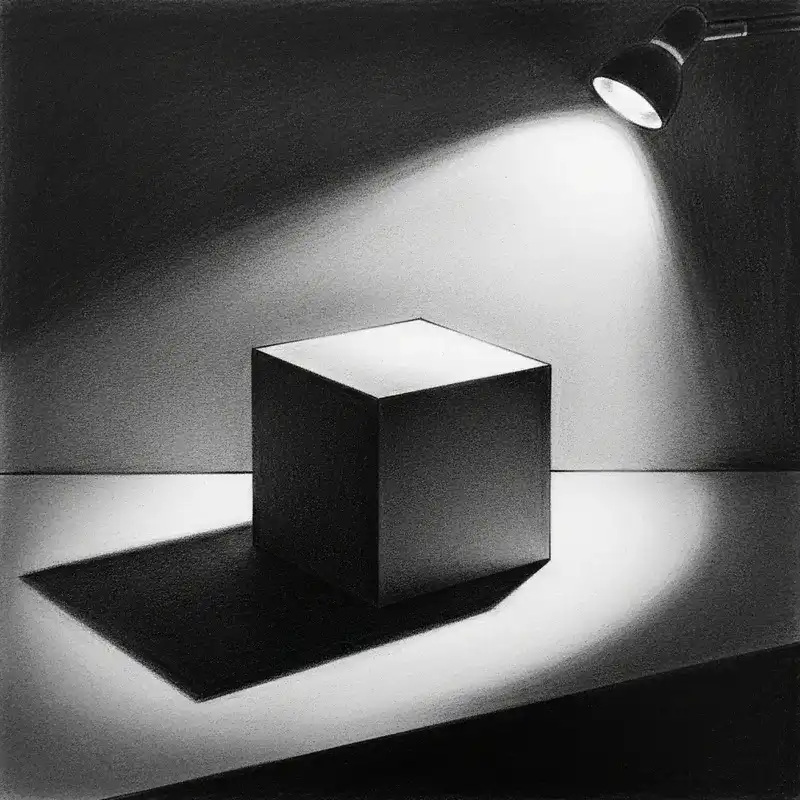
Place a lamp. Draw the ball. Yes, it works. But the real learning happens when you move the lamp and draw again. And again. Same ball, different light, different shadow shape, different core shadow edge. The third time, you start predicting. The fifth time, you see light as behavior, not as static effect.
I still do this. Not with balls. With my own face in the mirror, morning light, evening light, flashlight from below like a horror film. The face changes; my understanding changes faster.
References: The Permission Problem
“Using references is not cheating”—this needs to be said because beginners feel guilty. I felt guilty. Drew from memory to prove I could. Produced symbols, not observation. Now I use references constantly, without shame. The skill isn’t memory; it’s translation. What you see, what you understand, what your hand produces—three separate things that only align through practice.
My reference folder: screenshots from films, photos I’ve taken, other artists’ work (not to copy, to understand solutions), my own previous drawings. The collection is personal, illogical, useful only to me.
Perspective: The Confusion
One-point, two-point, three-point—yes, learn them. But the real breakthrough was understanding that perspective is not about lines converging. It’s about scale. Things farther away are smaller. The convergence is just geometry explaining the scale. Once I saw this, perspective became intuitive rather than mechanical.
I drew our kitchen from the doorway. Wrong in six ways. But the table looked like it was in the room, not floating. That specific success—one element correct—kept me going through the failures.
The Daily Myth
“Draw every day” is advice for people who already draw every day. If you don’t, the advice creates guilt, which creates resistance, which creates less drawing. I drew when I wanted to, stopped when I didn’t, returned when something annoyed me enough to try again. The returning is the habit, not the daily.
Mistake Analysis: The Hard Part
Not “ask yourself what needs improvement.” That’s easy. The hard part is seeing what’s actually wrong versus what you think is wrong. I spent months “fixing” proportions when the real problem was consistent light source. The shadows were contradictory, making the whole drawing unstable. No amount of correct proportion fixes unstable light.
Ankita’s critique taught me this. She doesn’t say “good job” or “needs work.” She says “your light is coming from three directions” or “you’re outlining because you’re afraid of value.” Specific, technical, fixable. The general advice in guides—”analyze your mistakes”—assumes you can see them. Often you can’t. You need external eyes.
Challenging Yourself: The Comfort Zone
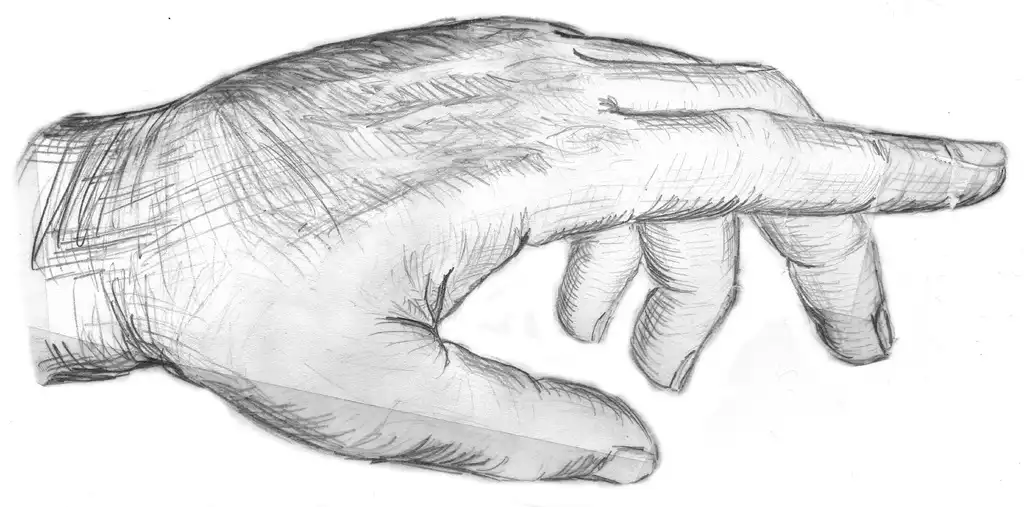
I drew hands for a month. Terrible, necessary. Then faces. Then full figures. Each new subject revealed new incompetence. The comfort zone is comfortable because it’s limited. Expansion is always uncomfortable.
But I also return to old subjects. Drew a coffee cup last week, same subject from my first month. The difference was visible—line confidence, shadow understanding, actual observation versus symbol. The comparison is the real measure, not the absolute quality.
What Actually Speeds Improvement
Not these steps. A specific combination: good feedback (not praise, correction), willingness to produce bad work, enough repetition for patterns to emerge, and the luck of timing—hitting the right problem at the right moment of readiness.
I can’t promise fast. I can promise that specific improvement is possible, visible, and happens in moments that feel like nothing until afterward.
Contact
Artkul Madhymagram, North 24 Parganas +91 62910 04807
Ankita answers. Describe your specific stuckness. She’ll know if it’s fixable here.
More Canvas & Insights