Easy Drawing Exercises for Daily Practice
I used to believe I needed three hours and perfect lighting to “really draw.” Result: I rarely drew. Then I watched an artist I admire fill an entire sketchbook during a single train delay. Bad coffee, fluorescent lights, shaky table. The work was alive in a way my “perfect condition” pieces weren’t.
Daily practice isn’t about ideal circumstances. It’s about showing up anyway.
What 15 Minutes Actually Looks Like
Not finished pieces. Not portfolio work. Sometimes not even recognizable subjects. The point is contact—hand, eye, paper, repeated until they trust each other.
I keep a “bad drawing” sketchbook specifically. Permission to fail. Ironically, those pages often contain more honest observation than my “good” books where I perform carefulness.
Exercises That Actually Work

Shape Hunting
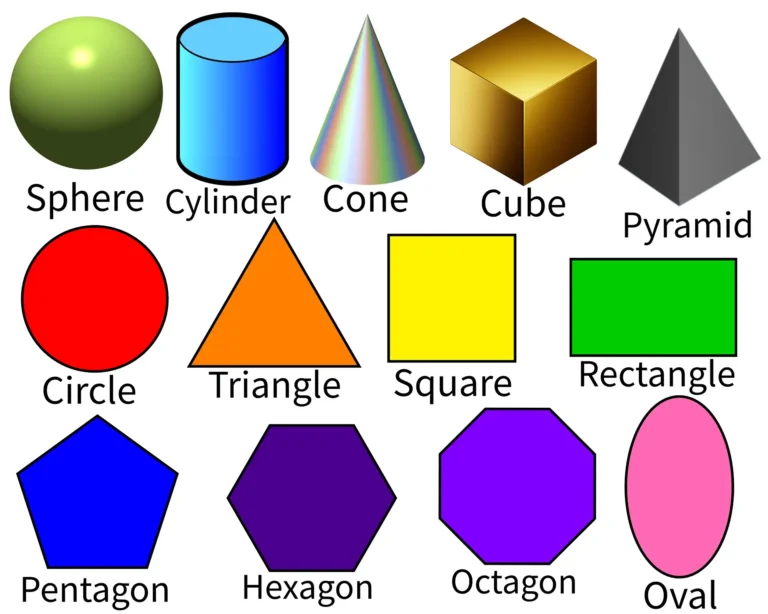
Not drawing circles in isolation. That’s boring and useless. Instead: look at any object, find the underlying geometry. The coffee cup is a cylinder. The laptop is a box with the corner cut. Your own knee, bent, becomes overlapping circles and wedges. Say the shapes out loud if needed. “Cylinder. Wedge. Triangle.” Sounds ridiculous. Builds seeing.
The 10-Minute Trap
Set a timer, yes. But the real exercise is continuing after the timer. Most people stop, relieved. The growth happens in minute eleven, when you’re tired, when the easy observations are spent, when you have to find something else to notice about the same subject.
Last week I drew my water bottle for twelve minutes. First three: obvious contours. Next four: reflections, label text distortion. Final five: the way light passed through the plastic and cast a pale green shadow on the table. Wouldn’t have seen that at minute ten.
Gesture Without Models
People think gesture drawing requires a figure class, nude models, ideal conditions. Nonsense. Draw from YouTube dance videos, paused randomly. Draw your family watching television—they move less but still shift, breathe, settle. Draw animals at the street corner. Two minutes maximum per sketch. If it looks good, you took too long.
The goal isn’t beautiful drawings. It’s recording weight distribution, where tension lives in a body, how posture announces mood. My gestures from 2019 look like scribbles. But I can still read the mood of the subjects. That’s the point.
Blind Contour, Modified
Traditional blind contour: never look at paper, only subject. I teach a variation. Look at subject 80%, paper 20%. Check placement, return to subject. The 20% prevents total disaster. The 80% forces actual looking. Students hate the first attempts. Then something shifts—usually around day three—and they feel the difference between drawing symbols (eye = almond shape) and drawing what they see (this specific eye, this angle, this light).

Shadow Mapping
Not shading yet. Just mapping: where is the darkest dark? The lightest light? Five values maximum, marked with numbers or quick hatching directions. Like a topographical map but for tone. Once you can read value as shape, shading becomes purposeful rather than decorative.
I did this with my own shadow one morning. The floor was tiled. The shadow broke into geometric pieces, each with different values depending on grout lines. Took eight minutes. Changed how I see shadows permanently.
The Sketchbook as Habit
Not “one page daily” as obligation. As ritual. Morning coffee, one drawing. Waiting for the bus, one drawing. Before sleep, one drawing. The timing matters less than the repetition. The book becomes evidence of days lived, not just skills practiced.
Mine from last year contains: a stranger’s ear on the Metro, my mother’s hands shelling peas, seventeen attempts at the same tree outside my window through different seasons, a dream I couldn’t describe in words so I drew the feeling instead.
What Actually Improves
Not the exercises themselves. The attention they train. After six months of daily shape-hunting, you’ll walk through the world seeing geometry everywhere. After gesture practice, you’ll read body language before faces register. These changes happen gradually, then suddenly.
The Leonardo Mention
Yes, he filled notebooks. But he also abandoned most projects. His “daily practice” was obsessive, irregular, sometimes frantic. Don’t compare your fifteen minutes to his legendary output. Compare today’s drawing to last month’s. That’s the only comparison that matters.
Starting Today
Pick one exercise. Not all six. The one that annoys you least. Do it badly. Repeat tomorrow.
No website to visit. No enrollment required. Just paper, pencil, and the willingness to be worse than you want to be for a while.
If you find it hard to practice alone, join our weekend batches in Madhyamgram. Sometimes, a community of artists is the best way to keep a habit alive.
More Canvas & Insights