How Cartoons Actually Inspire Young Artists (From Someone Who’s Seen It Happen)
I’ll never forget the moment I realized cartoons were doing something way bigger than just keeping kids quiet for twenty minutes.
I was teaching a Saturday morning class at the studio. Seven-year-old Riya walks in — barely says hello — and dumps her backpack on the table. Out comes this crumpled notebook filled with… well, at first I thought they were blobs. Purple blobs with enormous eyes and stick legs. But then she flipped a page and I saw it. She’d drawn the entire cast of Chhota Bheem. Not perfectly, obviously. Dholu’s head was weirdly square. But you could tell who they were. And more importantly, she could tell. She pointed at each one like she was introducing me to her friends.
That’s when it clicked. Cartoons aren’t just entertainment. For a lot of kids, they’re the first love letter to art they ever write.
The Visual Storytelling Thing Nobody Talks About
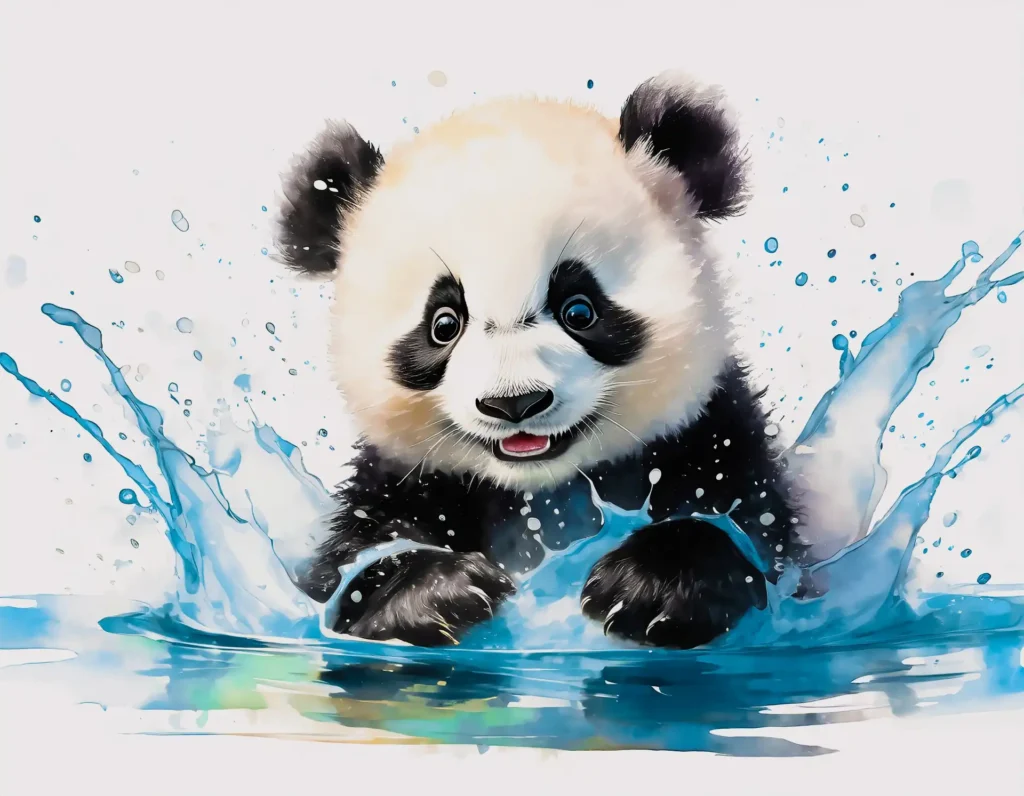
Here’s what blows my mind. Kids watch cartoons and they don’t just see “a character.” They see how that character is feeling. The slumped shoulders. The sparkles in the eyes when someone gets an idea. That specific way villains lean forward when they’re being sneaky.
My daughter — she’s nine now, stubborn as a mule — she used to pause Doraemon episodes. Not to go to the bathroom. To study Nobita’s face. “Mama, why do his eyebrows do that when he’s scared?” she’d ask. And I’d have to actually look. Because honestly? I hadn’t noticed. She had. At six.
That’s the thing. Cartoons teach visual storytelling before kids can even spell “visual storytelling.” They learn that a drawing can say “I’m lonely” or “I’m about to do something epic” without a single word. And once they understand that? They start wanting to make their own pictures talk.
Why Kids Actually Can Draw This Stuff
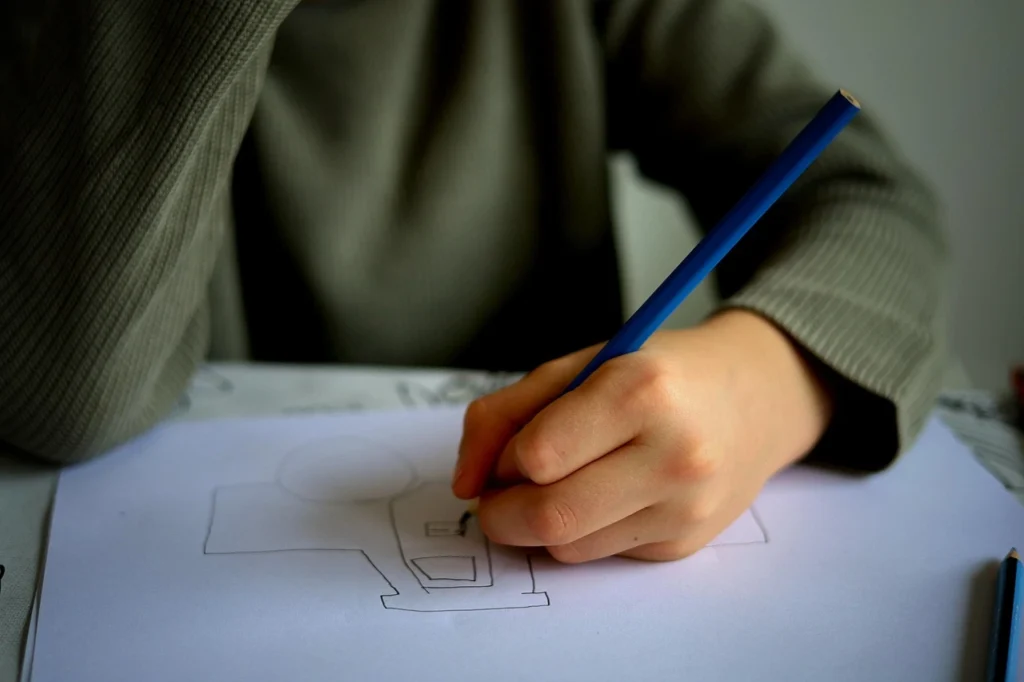
Okay, real talk. If you hand a seven-year-old a photograph of a horse and say “draw this,” they melt down. It’s too much. Too many muscles, too many shadows, too much reality.
But a cartoon horse? Three circles, four legs that look like noodles, done. The kid feels like a genius.
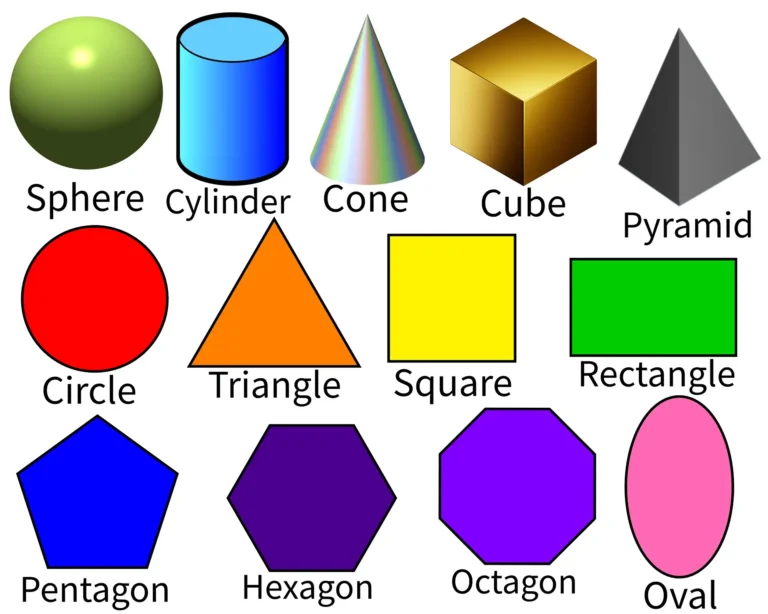
That’s not an accident. Cartoon characters are built from shapes your kid already knows. Circles. Squares. Triangles that got a little squished. It’s approachable. It’s friendly. It doesn’t judge.
I had a boy in class last year — Arjun, very shy, wouldn’t show anyone his work. First day, he drew a circle with two dots and a line. “That’s my guy,” he said, barely audible. By week three, that circle had a cape. Week six? He had a whole squad of circle-people with different personalities. He’d figured out that if he could draw one, he could draw a hundred. That confidence? It doesn’t come from realistic portraiture. It comes from cartoons meeting kids exactly where they are.
The Imagination Door Gets Kicked Open
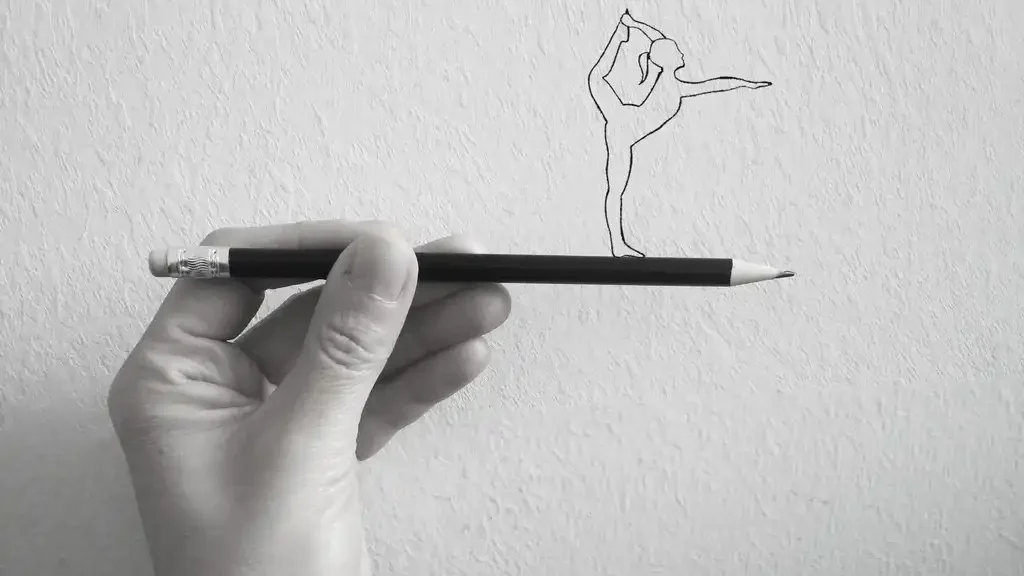
Cartoons don’t care about physics. At all. A cat can walk through a wall. A mouse can build a rocket out of a refrigerator box. A ten-year-old can be a superhero with ice powers and a pet dragon who speaks only in riddles.
Kids need that. They need permission to be weird.
I see it in class all the time. The kids who watch the most imaginative stuff — the ones obsessed with fantasy worlds, talking animals, impossible architecture — they draw the wildest original characters. Not because they’re more talented. Because no one told them their ideas were “too much” yet.
One of my students, Priya, she draws these floating islands with houses made of teacups. Where did that come from? Some anime she watched where a character lived in a clock tower. She took that spark and ran in her own direction. That’s creativity. That’s not copying — that’s building.
The Sneaky Art Education
Parents ask me sometimes, “When will they learn real art?” And I have to smile because… they already are. They just don’t know it.
When a kid tries to draw Shinchan’s face for the twentieth time, they’re learning proportions. When they color Superman and realize the blue and red pop against the yellow background, they’re learning color theory. When they draw a character running and try to figure out which leg goes behind the other, they’re learning movement and perspective.
It’s like hiding vegetables in pasta sauce. The learning is there, but it tastes like fun.
I had a mom once tell me her son “wasn’t serious about art” because he only drew Pokémon. I asked her to look closer. He wasn’t just tracing. He was redesigning them. Giving them different personalities. Changing the color schemes. “He’s learning character design,” I told her. “That’s what professionals do.” She stared at me like I’d just revealed a magic trick.
That Little Win That Changes Everything
You know the face. Every parent knows the face.
Kid finishes drawing. Holds it up. Eyes huge. “Look what I made.”
And when you say — and you better mean it — “Wow, that’s really good,” something happens. Their shoulders go back. They stand taller. They want to draw another one. Right now. Immediately. Before dinner, before bed, before anything.
That feeling? It’s addictive. And it’s necessary.
Cartoons give kids something achievable to aim for. The characters are recognizable but not impossible. So when they finally nail Goku’s hair or Peppa’s snout, they feel like artists. Not “kids who draw.” Artists. That distinction matters. That distinction keeps them coming back when drawing gets hard later.
Teaching Them to Actually See
Drawing cartoons forces kids to notice things. Really notice.
How wide is Doraemon’s head compared to his body? Why does Chhota Bheem look strong even though he’s a kid? How do you draw “surprised” without just making the eyes big?
These aren’t just art questions. They’re life questions. Observation is a skill that transfers to everything — science, math, reading people in social situations. When a child learns to look closely at a cartoon face and notice that the mouth curves slightly differently for “sad” versus “disappointed,” they’re becoming someone who pays attention to the world.
My students who draw the most? They’re also the ones who notice when I’m wearing new earrings. When I changed the classroom poster. When someone’s having a bad day. The eye gets trained.
Wait, This Could Actually Be a Career?
Yeah. I know. It sounds crazy when your kid is currently drawing stick-figures with superhero capes on your grocery receipts.
But here’s the truth — and I say this as someone who works with professional artists — a huge percentage of them started exactly like this. Obsessively drawing cartoons. Getting in trouble for doodling in class. Filling notebooks with characters no one else understood.
Animation. Concept art. Graphic design. Illustration. Video game design. These are real jobs. Real salaries. Real studios. And the pipeline often starts with a kid who loved Ben 10 a little too much.
I know a concept artist at a major game studio. Guess what he draws when he’s stressed? The same robot characters he invented when he was eleven. “That’s where it started,” he told me. “I just never stopped.”
So when your kid says they want to “draw cartoons when they grow up,” don’t laugh it off. Ask them which ones. Ask to see their characters. You might be looking at a portfolio in progress.
What Parents Can Actually Do (Without Being Annoying)
Look, you don’t need to enroll them in ten classes or buy expensive supplies. Most of that stuff is overkill.
Here’s what actually helps:
Just give them paper. Lots of it. And don’t freak out when they draw on the back of your electricity bill. (Okay, maybe a little. But secretly? That’s a good sign.)
Watch tutorials together. Not the boring ones. The fun ones where artists draw characters and mess up and fix it and laugh about it. YouTube is full of them. My students love the ones where artists draw characters in different styles — “What if this person was in SpongeBob?” That stuff is gold.
Get hyped about their originals. Fan art is cute. But when they invent a character? Even if it’s just a blob with a sword? Act like they just wrote a novel. “What’s his name? What’s his power? Who are his friends?” That questions shows you care about their world, not just the copy.
Praise the effort, not just the outcome. “I love how many times you tried his eyes” hits different than “good job.” It tells them the process matters. Because it does.
Find a community. Art is lonely if it’s just you in your room. A class, a workshop, even an online group where kids share drawings. My academy — yeah, I’m biased — but honestly? Any space where they feel safe to show their work and get better together. That’s the secret sauce.
So What’s the Real Point?
Cartoons are doing something quietly revolutionary. They’re making art feel possible for kids who might otherwise think “I can’t draw” and give up forever.
They don’t feel like homework. They don’t feel like a lesson. They feel like fun. And because they feel like fun, kids stick with them long enough to actually get good.
They spark imagination. They build confidence. They teach skills that look like play. And sometimes — a lot of times — they start a journey that ends in places you can’t even imagine right now.
At Ankita’s Artistry Academy, we see it every week. The kid who walked in nervous, clutching a pencil like it might bite them. Six months later, they’re filling sketchbooks. Two years later, they’re talking about art school. All because some cartoon character made them think, “I want to make that.”
Every young artist has that potential. Seriously. Every single one.
Sometimes — a lot of times — all it takes is a favorite cartoon to show them the door is open.
Want to help your child turn that cartoon obsession into real artistic growth? Check out our programs at Ankita’s Artistry Academy — we’d love to meet your little artist.
More Canvas & Insights