How Craft Learning Increases Kids’ Brain Development

In an era dominated by screens and digital entertainment, caregivers are increasingly on the lookout for purposeful engagements that genuinely nurture their little one’s advancement. Among the most impactful yet frequently overlooked methods for nurturing young minds is craft learning. Involving youngsters in sketching, shading, paper-based creations, and imaginative pursuits accomplishes far more than merely occupying their time — it profoundly enhances cognitive growth.
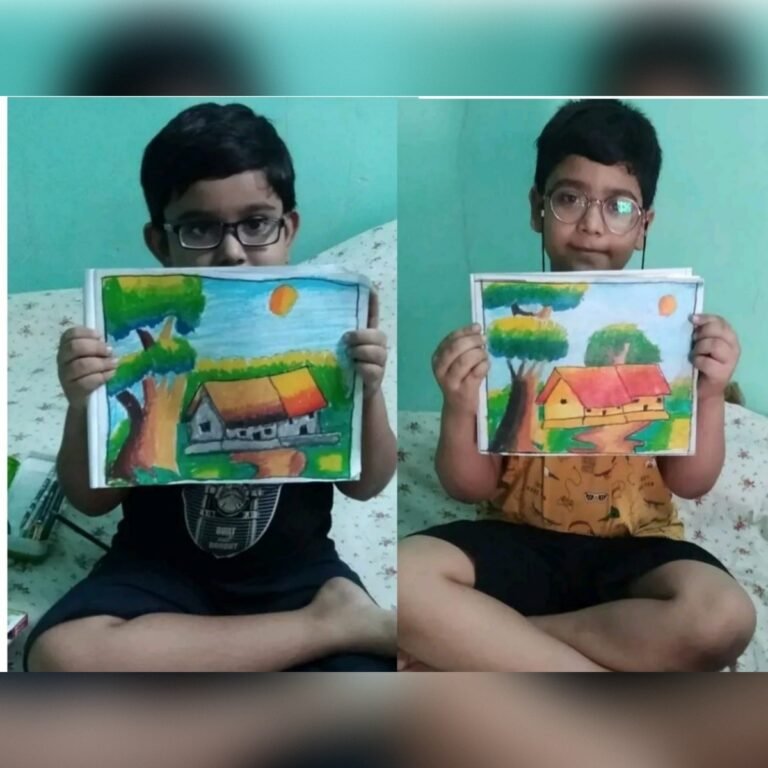
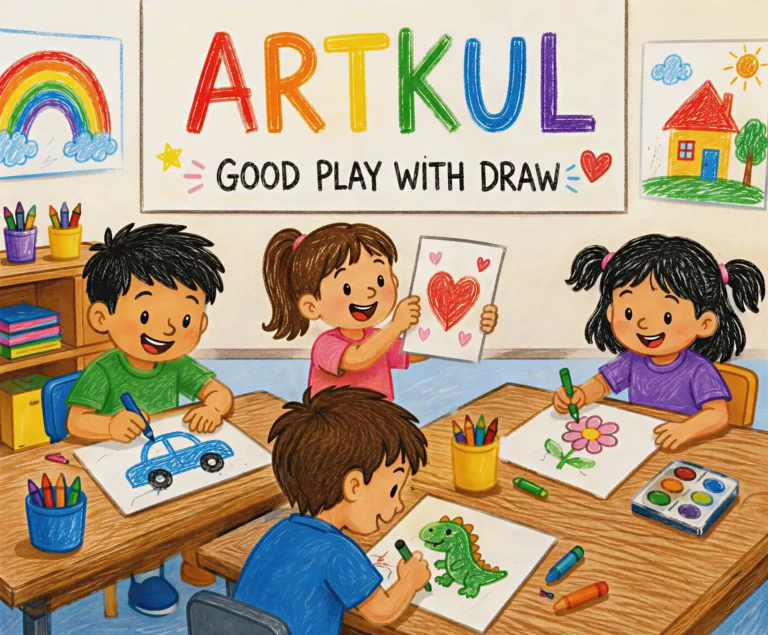
At ARTKUL drawing school in madhymagram, imaginative education is carefully crafted to activate developing minds while ensuring the experience remains delightful and pressure-free.
1. Craft Activities Strengthen Brain Connections
When youngsters take part in hands-on artistic endeavors, numerous regions of their mind collaborate simultaneously. Trimming sheets develops physical coordination, shading improves attentiveness, and sketching sparks inventiveness. These integrated efforts fortify neural connections, enabling young learners to absorb and interpret data with greater speed and effectiveness.
Imaginative challenges promote analytical abilities. For instance, when a youngster selects which shades to apply or determines how to finalize a pattern, their mind is dynamically evaluating options and establishing rational links.
2. Improves Fine Motor Skills
Dexterity and hand control are crucial throughout the formative years. Exercises like gripping coloring tools, operating cutting instruments, creasing sheets, or molding pliable materials build hand power and digit precision. These capabilities are intrinsically connected to penmanship proficiency and scholastic achievement in subsequent years.
Curriculum at ARTKUL drawing school in madhymagram emphasizes developmentally suitable methods that progressively enhance coordination without burdening emerging learners.
3. Boosts Creativity and Imagination
Hands-on artistic exploration permits youngsters to share their concepts without restrictions. Unlike rigid educational assignments, imaginative engagements grant children the liberty to approach thinking uniquely. This cultivates inventiveness, distinctiveness, and groundbreaking thought — capabilities that hold tremendous worth in today’s society.
When youngsters illustrate their concepts or construct handcrafted items, they discover how to convert visions into tangible results. This elevates self-assurance and autonomous reasoning.
4. Enhances Emotional Development
Creative expression offers a constructive channel for inner feelings. Young children frequently find verbal communication of sentiments challenging. Through hues, forms, and arrangements, they convey inner experiences in a secure and constructive manner.
Guided creative experiences at ARTKUL drawing school in madhymagram assist youngsters in feeling calm, joyful, and psychologically centered. This alleviates tension and fosters psychological wellness.
5. Improves Focus and Patience
Finishing an artistic endeavor demands concentration and perseverance. Gradually, youngsters inherently cultivate stronger attention capabilities. They discover how to adhere to directions, accomplish objectives sequentially, and experience satisfaction upon completing their efforts.
These patterns establish self-control, which proves advantageous for educational and everyday activities.
6. Encourages Social Skills
Collaborative artistic gatherings enable youngsters to engage with peers, distribute supplies, and work jointly on creations. This strengthens interpersonal abilities and fosters collaborative traits from a young age.
At ARTKUL drawing school in madhymagram, youngsters engage in supervised creative experiences that promote companionship and shared educational experiences.
Why Craft Learning Is Essential for Early Brain Boost
Empirical studies validate that tactile creative engagements activate both analytical and intuitive mental functions. Methodical reasoning and aesthetic visualization operate in harmony, producing well-rounded intellectual maturation. Initial introduction to hands-on artistic development reinforces recall, visual identification, and dimensional perception.
Guardians seeking to provide their children with robust developmental groundwork should explore organized artistic instruction programs that foster both capability and inventiveness.
Final Thoughts
Hands-on artistic education extends beyond creating visual pieces — it centers on cultivating a more intelligent, self-assured, and psychologically sound youngster. Imaginative engagements amplify mental capacity, sharpen attention, and cultivate vital life capabilities.
If you are searching for a place that supports your child’s artistic journey while boosting brain development, ARTKUL drawing school in madhymagram offers a nurturing environment where creativity and learning grow hand in hand.
More Canvas & Insights